If you're working through this together
You don't have to have decided anything about your relationship to talk with me. This isn't couples therapy. It's a practical conversation about the household you're living in right now: who handles nights, how the work gets divided, and what happens when you disagree in front of the baby.
Some couples leave with a family agreement, a written plan for the roles, routines, and expectations that let them stay together more happily. Others realize they need something different. Either way, you only have to commit to one conversation to start. Nothing moves forward until everyone understands what a further conversation would be designed to do.
- Coaching for one parent who wants to think things through first
- Mediation for both parents, to build agreements you can actually live inside
If you're separating
Babies and toddlers need a different kind of parenting plan. They live in the present, a week feels very long to them, and they build bonds through frequent, predictable time with each parent. A schedule designed for a school-aged child can work against a baby.
With a background in infant-toddler development and a PITC Fellowship, I help parents build plans that fit how very young children attach, sleep, and handle transitions:
- Frequent contact with both parents, sized to your child's age
- Feeding, naps, and bedtime routines that stay consistent across two homes
- Step-up schedules that grow as your child does, with built-in review dates
- Exchange Recipes: handoffs between homes built around your child's temperament
- A simple way to share information about your child between homes
I work with families virtually across California, and I'm glad to work alongside your attorneys, therapists, or other professionals.
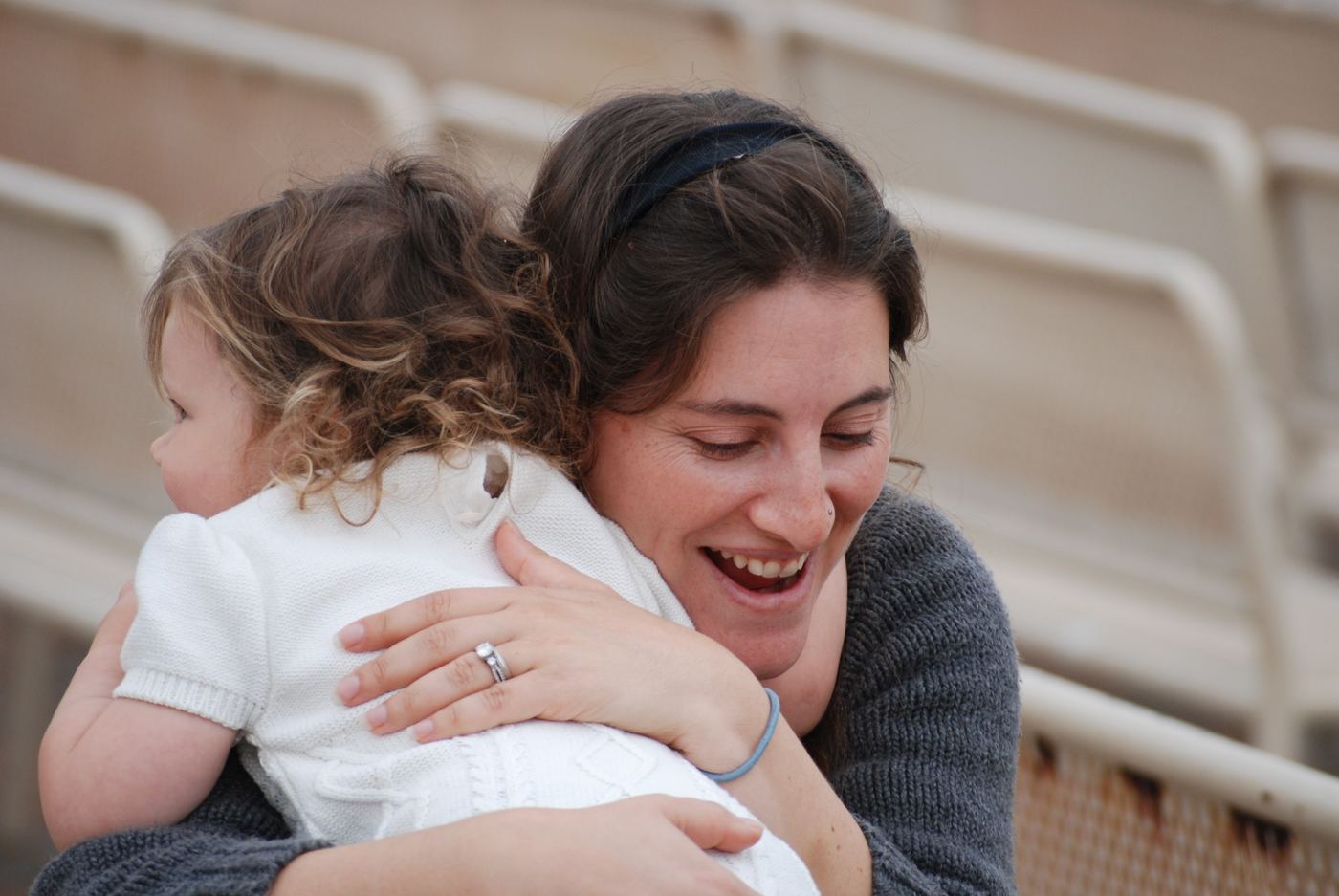
Why Laura?
I came to this work through the classroom. When my daughter started preschool, I was transfixed, and I went on to work with infants and toddlers and, eventually, to supervise the teachers caring for them. Babies who can't yet tell you what they need are a puzzle to be solved: what does this small person need to reach the next milestone? The longer I worked on that puzzle, the clearer it became that the answer usually ran through the family.
So much of that work happened at drop-off and pickup, with new parents who were exhausted, anxious, and often disagreeing about what their baby needed. My fellowship through the Program for Infant-Toddler Care (PITC) ended with a unit on conflict within families and across cultures, and that's what led me back to mediation. It taught me that disagreements about sleep, feeding, and comfort are rarely just about the baby. They carry each parent's upbringing, culture, and deeply held beliefs about what good care looks like.
That fellowship also gave shape to the rule I still work by: seek to understand the parents, don't judge them. It isn't always easy to hold, which is exactly why it matters.
Temperament charting and Exchange Recipes
When my daughter was young and I was studying infant-toddler mental health, I discovered a tool called temperament charting. It helped me see that my daughter and I clashed so often because we were both highly persistent, with strong emotions. Once I understood that, I learned to plan ahead for the hard moments, and to step out and let my husband step in when we got stuck. It was a game changer for our family, and now I use the same tool to help other families.
A preschool teacher is nothing if not a master of transitions: outside to inside, play to nap, eating to handwashing. Teachers use temperament charting to observe a child and understand the best way to help them through those transitions. In the same way, we work together to craft what I call Exchange Recipes: plans for exchanges between homes, built around your children's temperamental needs, to bring more peace to your family.
What that means for your family:
- A plan built around your child's age and temperament, not just the calendar
- A mediator who understands how very young children attach, sleep, and handle transitions
- Room for both parents' values, family traditions, and cultures
- A law degree and advanced mediation training to turn all of it into agreements that hold
If you don't feel safe
If you don't feel safe, or you're worried about your own safety or your baby's, the process looks different, and that's a conversation I'll have with you privately and first.
And if the weeks since the birth have felt darker than you expected, for either parent, that's common and treatable, and help is available right now:
- National Domestic Violence Hotline1-800-799-7233 · text START to 88788 · chat at thehotline.org
- National Maternal Mental Health HotlineCall or text 1-833-TLC-MAMA (1-833-852-6262), 24/7, English and Spanish
- Postpartum Support International HelpLine1-800-944-4773, or text "Help" to the same number
- 988 Suicide & Crisis LifelineCall or text 988
- In an emergencyCall 911
For expecting families
The best time to talk about sleep, feeding, and who does what is before the baby arrives. I offer two small-group classes, by inquiry, online or in person.
Five Conversations Before Baby
We start with how each of you communicates and how to have a hard conversation without it turning into a fight. The class then chooses the next three topics together: sleep, feeding, circumcision, dividing the work, or whatever matters most to the couples in the room. The last conversation pulls it all together, with a plan for what you'll do when you disagree, and for when your baby doesn't follow the plan.
Preparing to Be Grandparents
How to become a partner to your adult children, so that when the baby arrives, everyone is ready to work together. Grandparents often take this class while their children take Five Conversations Before Baby.